
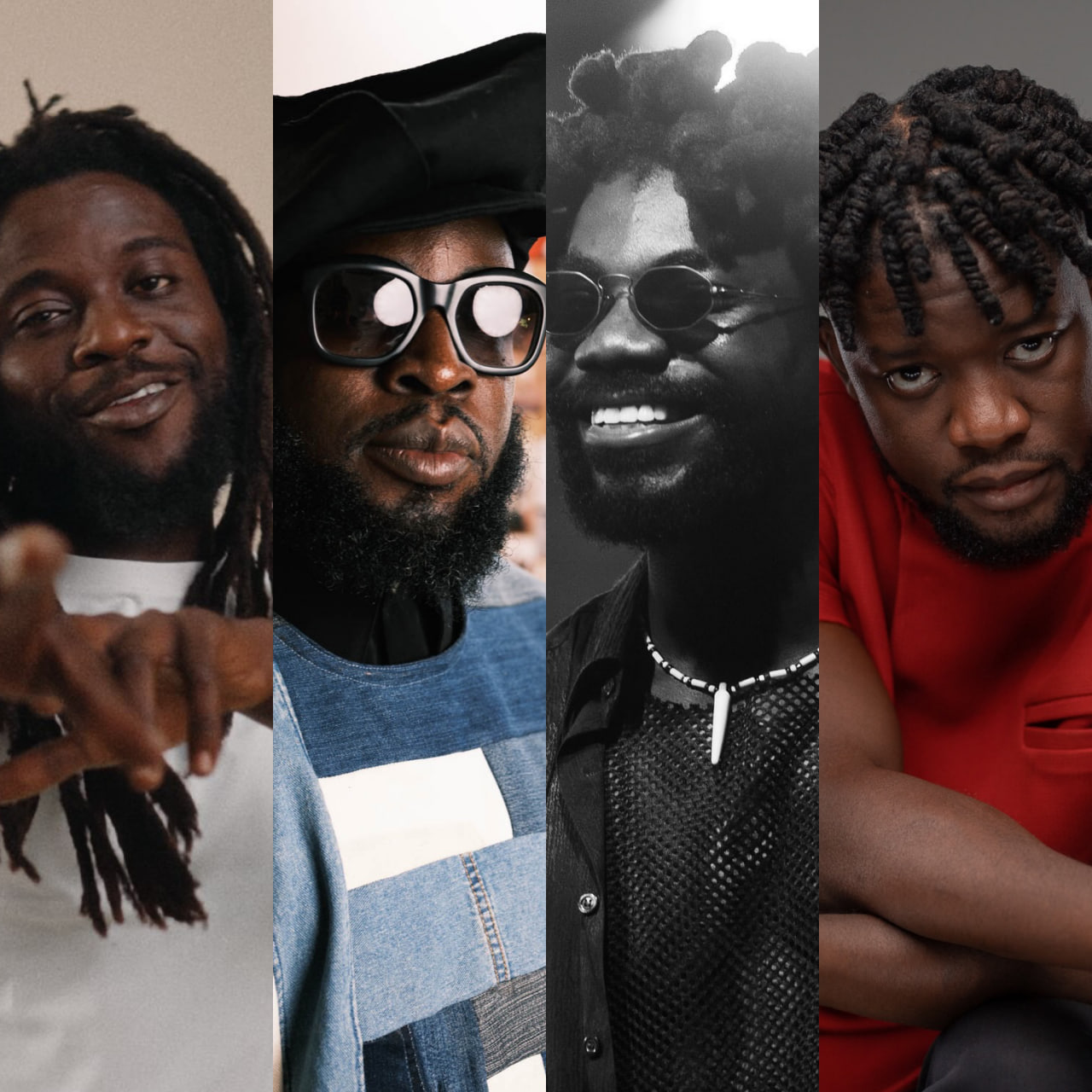
A recent argument on Ghanaian X, which I will never stop calling twitter (because honestly, what kind of name is X?) caught my attention. Someone lamented that B4bonah never “blew,” and others quickly jumped in with his streaming numbers and a fair question: do we even know what “underground” means, or have we just confused it with “not mainstream”?
The exchange stayed with me because it exposes a habit in how we talk about African, and more specifically, Ghanaian music. We treat success like a switch. Either you are on every radio station, filling stadium-sized shows and posting global crossover numbers, or you are “underground,” or worse, a “has-been”. Viewing music this way is a myopic view. It wipes out the middle ground, and the middle ground is where a lot of incredible music lives, thrives and pays its own bills. I think it is time we changed how we measure the success of an artist.
“Blowing up” is a myth, and honestly has become a lazy benchmark. It suggests that unless an artist reaches the very pinnacle of mainstream pop success, the journey is unfinished. But not every artist is built for that, and plenty of them do not even want it. Mainstream stardom usually means bending your sound, chasing whatever is trending and staying in the spotlight 24/7. That is a full-time job, and not everybody applied for it. Music is an ecosystem, not a single ladder. A national economy needs specialist industries next to the giant conglomerates, and a healthy music scene needs different sounds for different people in exactly the same way.
Take B4bonah. He pulls tens of thousands of monthly listeners, has classic records like Dear God that is baked into the cultural fabric of our music, and keeps an active audience. Calling that underground tells me you have not understood how a niche works. Whether you are in Accra, Lagos, London or Los Angeles, the artists with the longest careers are often the ones who stopped trying to please everybody and went deep on the people who showed up for them. Start at home.

M.anifest is a masterclass in independence and longevity. Through sharp lyricism, highconcept storytelling and a creative identity that is unmistakably his, he built a loyal, thoughtful, global audience. He showed us very early on that you do not have to follow the seasonal dance trends to stay a major force in African hip-hop.

Worlasi sits where raw emotion, alternative production and rich native storytelling meet, and has carved out his own lane there. His packed live shows and devoted following make the case better than I can. Ten thousand true fans who show up are worth more than a million passive listeners who happen to hear you on the radio.

Pure Akan reimagines highlife storytelling for a modern audience. The music is culturally dense, full of Twi proverbs, and never in a hurry. He is not chasing a club banger in London. He is preserving and evolving Ghanaian oral history, and that clarity of purpose gives his work a value that outlasts trends.

Ayisi makes soul-stirring melodies and grounded, introspective music that doubles as therapy for the people who listen. His fans come to him for substance, and that builds the kind of long-term connection short-lived chart toppers rarely get.
Amaarae stands on the alternative side of contemporary Ghanaian music. Amaarae in particular built an audience well beyond Ghana, and she did it by mastering a specific sonic aesthetic that hyper-dedicated listeners around the world could hold on to, rather than by chasing radio play on local pop stations first.

Look across the border and the pattern holds. In a Nigerian market dominated by hypercommercial Afrobeats, Show Dem Camp’s Tec and Ghost refused to flatten their sound. They built the Palmwine Music series, which blends hip-hop and highlife, and helped create an alternative scene around it. The Palmwine Music Festival has since travelled from Lagos to London and New York. You do not need a viral pop hit to build an international, profitable brand.
Go further out and you find Tyler, The Creator, who started as the internet-underground rebel leading the music collective Odd Future. For years, mainstream radio would not touch his raw, experimental sound, but he did not change to suit the format. He doubled down, and built an empire of merchandise, high fashion and his own festival, Camp Flog Gnaw. By the time the Grammys and the arena tours caught up with him, he had got there entirely on his own terms.
Frank Ocean plays the same game with almost total disregard for the usual industry metrics. He releases music rarely, skips the standard promotional cycle and stays out of pop radio’s way. Yet his core audience is so devoted that each release turns into a cultural event. If you want proof that scarcity and emotional depth can build a stronger foundation than constant visibility, there it is.
None of these artists needed to fit the “Big 3” template to succeed. I have noticed that most mainstream music markets run on one: the USA has Kendrick Lamar, J. Cole and Drake,
Nigeria has Wizkid, Davido and Burna Boy, and Ghana has Sarkodie, Stonebwoy and Shatta Wale. The names change from market to market, and the assumption stays the same: if you are not in that conversation, you have not made it. The artists above prove otherwise. What they share is staying power, a clear sense of what they stand for, and an audience that actually hears them.
Part of the problem is that most listeners were never taught how this industry works, so we judge every artist by the one measure we know. If we want a better music culture, a few truths need to become common knowledge.
1. Niche is not underground. Underground describes artists with no real distribution, infrastructure or active listeners. An artist with a dedicated fanbase, streaming revenue, brand partnerships and live shows in demand is a niche, alternative professional. B4bonah is not underground.
2. Depth beats reach. Ten thousand core supporters who buy merch, come to the shows and stream every project make for a healthier career, financially and artistically, than one viral moment that leaves nobody behind.
3. Variety keeps the culture alive. If every artist chased the same radio-friendly sound, our musical heritage would turn bland and repetitive. Niche artists push boundaries, experiment and keep things fresh.
We need to stop putting every artist through the same commercial test. Success is not onesize-fits-all. When an artist makes music on their own terms, earns a living from it and connects with the people it was made for, they have already won. So the next time somebody says an artist never blew, ask what they were measuring. Let artists stand in their purpose, and stop pushing them onto a mainstream pedestal they never asked for.
Written by Kojo Bonsamposuro